



 Tin Khu Vực


|
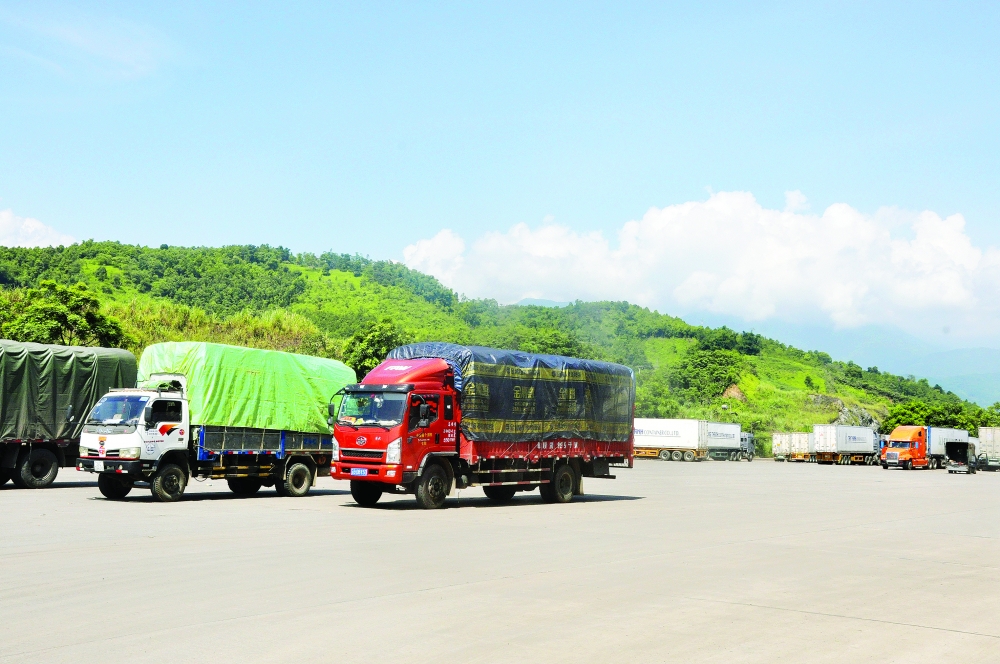
However, cross-border trade between China and Vietnam remains limited. Do Truong Giang, director of the Lao Cai Department of Industry and Trade, said each country’s mechanisms and policies are somewhat different, while infrastructure serving export-import activities has not met the increasing demand. Most Vietnamese firms in border provinces are small and medium-sized and hard pressed to mobilize sufficient financial and human resources. In addition, the Chinese market increasingly sets higher requirements on standards, quality, quarantine, and quotas for some imported items, creating difficulties for Vietnamese businesses.
Giang spoke at a July 13 conference in the northern border province of Lao Cai to discuss promotion of trade in farm produce and aquatic products between Vietnam’s Lao Cai Province and China’s Yunnan Province. The conference aimed to provide Vietnamese localities and firms with information on the Chinese market and customs policies at the international border crossings in Lao Cai and Hekou.
Speaking at the event, Lao Cai People’s Committee Deputy Chairman Le Ngoc Hung said the export-import value via Lao Cai in the first half of the year reached US$1.55 billion, an increase of 29 percent compared to the same period last year.
Huang Shan from the Yunnan Province’s Department of Commerce affirmed that Vietnam remains Yunnan Province’s second largest trade partner. In the first five months of the year, two-way trade turnover between Yunnan Province and Vietnam reached US$1.84 billion, an increase of 75.8 percent compared to a year ago. She attributed the high growth of Yunnan-Vietnam trade to the signing of an agreement on border trade development.
To boost trade between Yunnan and Vietnamese localities further, Huang Shan proposed both sides speed up customs clearance and reduce administration fees to cut logistic costs. She suggested Vietnam work to expand its share in the seafood market of China’s southwest and northwest regions.
Vu Ba Phu, director of the Vietnam Trade Promotion Agency under the Ministry of Industry and Trade, said China continues to be the leading trading partner of Vietnam. Trade turnover between the two countries has grown and is now close to US$100 billion. Firms on both sides are increasingly active in implementing trade promotion activities. Participants agreed that to create favorable conditions for export-import activities, the authorities - customs, border guards, quarantine offices - need to cooperate closely with each other to guide businesses in order to avoid unnecessary risks.
|
Exports of Vietnamese fruit and vegetables to the Chinese market in the first half of the year reached US$1.2 billion, a year-on-year increase of 18.1 percent. |